
Most punters walk into a casino thinking luck alone will carry the night, but the real edge comes from knowing where the house actually holds sway. Whether you are watching the footy at the MCG or spinning a roulette wheel, discipline beats hope every time. Smart players treat table games like a managed risk, not a lottery ticket, and that mindset separates the long-term survivors from the ones blowing their weekly pay packet in an arvo.
Understanding the Real Odds on Table Games
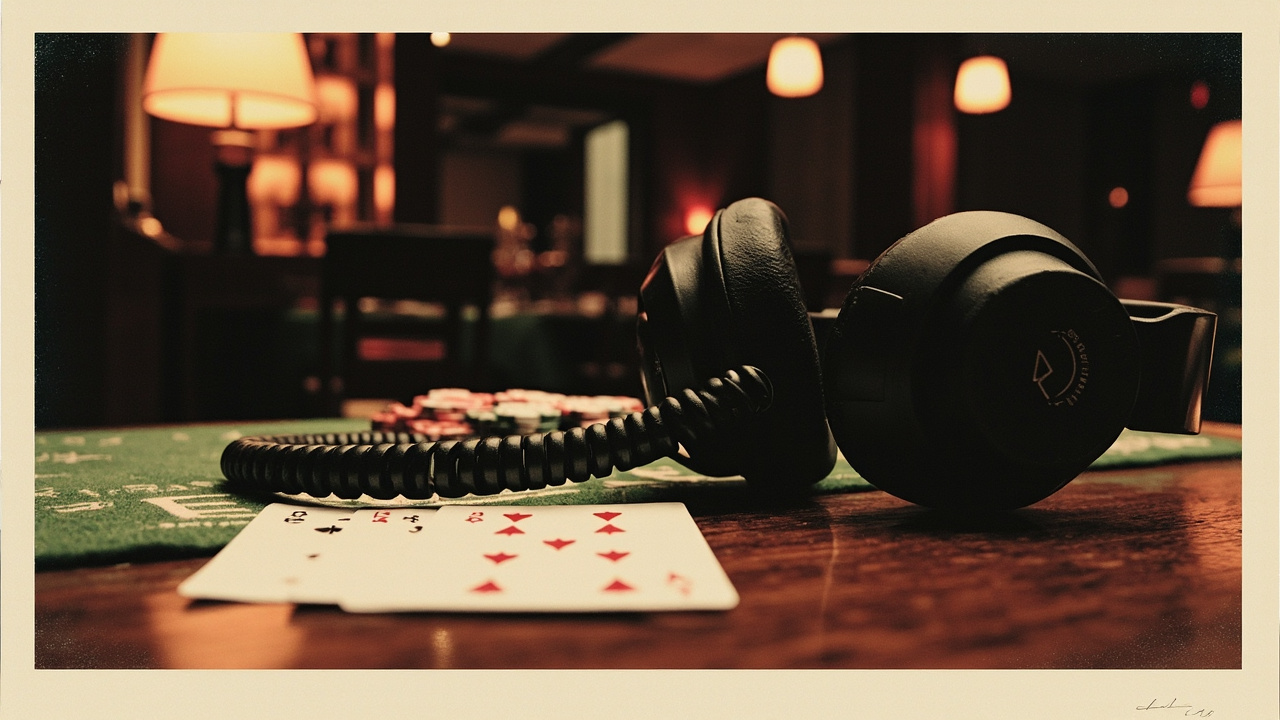
The first thing worth getting your head around is that no strategy changes the maths baked into the game itself. Blackjack offers the lowest house edge when you stick to basic strategy, while roulette wheels and baccarat tables carry a fixed percentage that no betting system can erase. What a solid approach does is manage your exposure, stretch your play time, and stop you from chasing losses when the cards turn cold. Think of it like reading a bookmaker’s line before a Boxing Day test match – you are not trying to predict the future, you are trying to price the risk correctly before you commit a single dollar. When you understand the edge, you stop treating every hand or spin as a miracle waiting to happen and start treating it as a calculated session with clear boundaries.
Bankroll Management That Keeps You in the Game
Setting a session limit before you sit down is the boring bit that actually saves your skin. The players who last treat their bankroll like a training budget, not a blank cheque, and they break it into smaller chunks so a bad run does not wipe them out before dinner. If you are dropping money on a live dealer table or a busy Melbourne casino floor, you should already know your stop-loss and your walk-away point before the first card hits the felt. Chasing a losing streak is how a quiet night turns into a proper headache, and no betting progression fixes a negative expectation over time. The trick is sizing your bets so a normal swing does not force you to dig deeper than you planned, and walking away when the session hits its limit instead of pretending the next hand will somehow balance the ledger.
Choosing the Right Table and Game Variant
Not every table runs the same way, and the small print on rules and payouts changes your actual edge more than most casual players realise. A blackjack table that pays 3-2 on a natural is a very different proposition from one pushing 6-5, and European roulette with a single zero quietly costs you more over a long session than an American wheel with both zeroes on the layout. In Victoria, you will often find slower-paced tables on a busy Saturday night, while quieter weekday sessions let you think through each decision without the crowd pressing you. Picking a game you actually understand, with rules you have checked ahead of time, beats jumping into the loudest room and hoping the atmosphere carries you through.
That same scrutiny applies to the digital floor, where bonus structures and withdrawal policies can quietly shift the math in your favour or against it. Before you commit any funds, it pays to verify the terms that govern your play, especially when promotional offers are involved. You can review the specific conditions for current incentives at https://luckyelfnodeposit.com/ to ensure you are not caught off guard by hidden restrictions.
Bonuses, Wagering and Where the Fine Print Bites
Welcome offers and ongoing promos can add real value, but only if you read how the wagering applies to table games in the first place. Some operators count table bets at a reduced rate or exclude certain variants entirely, which means a headline match bonus can quietly turn into a slow bleed if you do not check the contribution rules before you claim it. Eligibility windows, maximum bet caps during a bonus, and the difference between cash and bonus funds all shape whether a promotion actually helps your session or just adds another set of strings. If you are comparing offers, look for clear wagering targets, reasonable game weighting, and caps that do not force you to overbet just to clear the requirement. A decent bonus should extend your play, not push you into riskier bets you would never make on your own dime.

When you line up the right game, a sensible bankroll, and a bonus you understand, table play becomes a lot more manageable and a lot less stressful. There is no magic system that beats the house edge, but there is a clear difference between a player who knows the limits and one who keeps doubling down on a bad run. Play the maths, respect your limits, and treat every session as a paid evening out rather than a second income.
- House edge – the built-in mathematical advantage the casino holds over a specific game or bet over the long run.
- Basic strategy – a set of optimal decision rules for blackjack that minimises the house edge based on your hand and the dealer’s upcard.
- Wagering requirement – the number of times you must bet a bonus or deposit amount before any related winnings can be withdrawn.
- Stop-loss – a pre-set limit that tells you when to end a session to keep losses within a planned boundary.
- Game weighting – the way an operator assigns different contribution percentages to different games when clearing a bonus.