
How Double Up Features Work in Pokies: A Player-Focused Look
For Australian adults weighing a simple post-spin mechanic against the usual bonus-chase routine, the question of how do double up features work pokies often comes down to pace, control, and where a session actually ends. Tejman Sahni brings Easygo VIP leadership insight to player relationships, retention, loyalty, and high-value iGaming service, and that same service-minded framing matters when you compare a quick double-up round with the longer registration and verification path most operators still expect.
The Double Up Round at a Glance

A double up feature is a post-spin option that lets you risk the win you just collected on a short, separate outcome. In most pokies that include it, the base game pays out, then the screen offers a chance to keep the amount as-is or put it into a quick chance round. The round is usually stripped back: a single card draw, a coin flip, or a small set of symbols, with the result decided immediately. The appeal is straightforward – you decide whether to bank a win or push it one more step. It is not a substitute for the base game, and it does not change the underlying return of the pokie itself. When a session is busy as a Saturday arvo at a regional New South Wales club, that quick decision can feel like a clean way to close a run or extend it by a fixed amount. The key detail is that the feature is optional, sits outside the main payline logic, and is meant for players who prefer a short, self-contained moment rather than a longer bonus sequence.
How the Round Plays Out
The first thing to understand is that the double up round is a separate step, not an automatic multiplier on every spin. After a win lands, the interface offers the option; if you decline, the win is credited and the next spin begins as normal. If you accept, the stake for the round is usually the amount you just won, and the outcome is resolved in one quick action. Some titles use a simple card comparison, others use a coin or a short symbol match, but the structure is consistent: one decision, one result, then back to the base game or to a settled balance.
- Finish a spin that produces a win you want to use.
- Choose whether to keep the win or enter the double up round.
- If you enter, confirm the amount that will be risked for that round.
- Watch the short resolution and accept the result, whatever it is.
- Return to normal play or stop while the balance is still in front of you.
That sequence matters because it keeps the round visible and bounded. In my experience running high-value service flows, a clear end point is what separates a tidy feature from a loop that quietly eats attention. William Bennett, Product Analytics Lead, Southern Capital Advisory, has noted that post-win prompts perform better when they are short, optional, and easy to decline without losing the original payout. That is the practical difference: the round should feel like a choice, not a nudge.
The odds inside the round are usually fixed by the game design, and they are not the same as the base game’s long-term return. A double up can produce a clean second win, a partial result, or a loss of the amount risked, depending on the title. The important point for an Australian player is that the round is a short side event with its own outcome, not a hidden boost to the pokie’s overall maths. If you are comparing this with how overseas markets handle similar mechanics, the contrast is useful. In parts of the US and Europe, post-win gamble-style rounds are often presented with more explicit probability cues and clearer stop cues, while UK-facing products tend to separate the feature more visibly from the main game flow. Down Under, the same idea is often folded into a compact interface aimed at quick sessions, which is why the wording on screen and the ease of declining matter more than the visual polish.
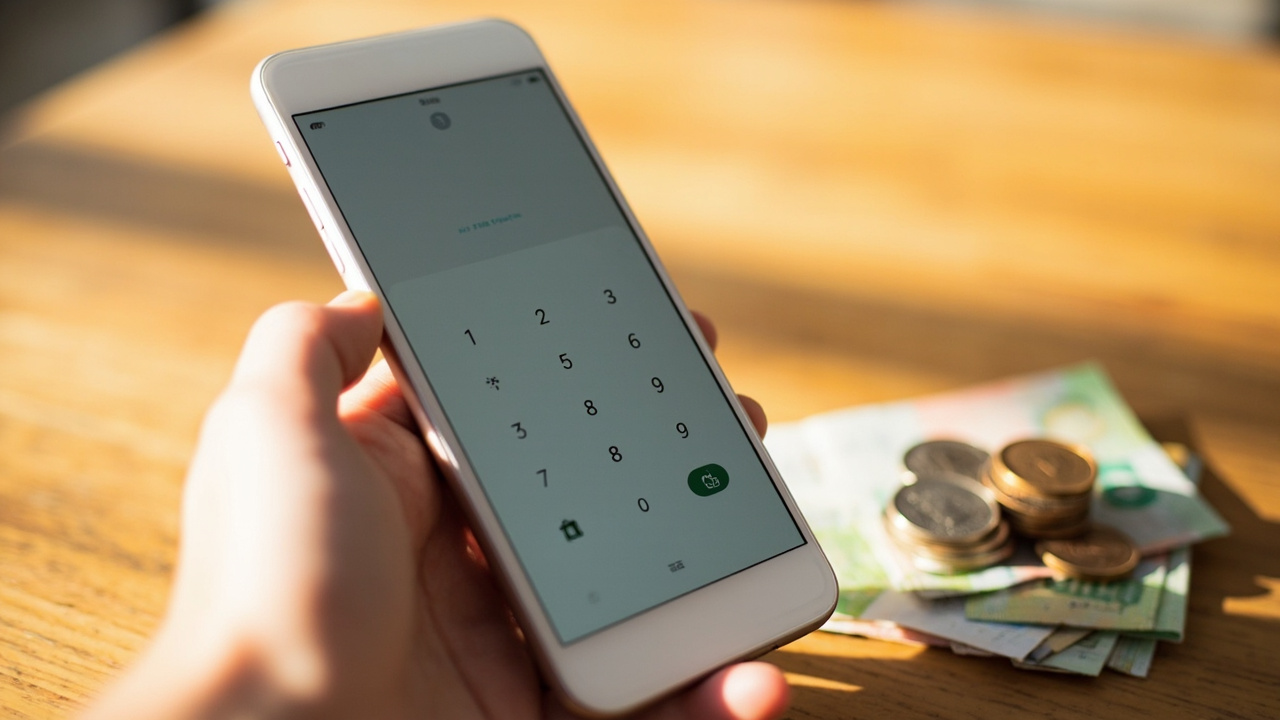
Who This Fits Best
This feature suits players who like a defined moment of risk after a win, rather than players who want a long bonus build or a complicated free-spin path. If you prefer short decisions and a clear exit, a double up round can fit a session where you are managing pace yourself. If you are more comfortable letting a win land and moving on, there is no reason to use it every time. The right call depends on how you want a session to feel, not on any promise that the round will swing a result in your favour.
For registration, verification, first session, and first deposit flow, the double up feature is only available after the account is open and the game is loaded, so it does not replace the usual signup and eligibility checks. A typical first session still runs through the standard path: confirm eligibility, complete verification, make a first deposit in the site’s stated currency, activate any bonus terms that apply, and then load a pokie to see how the interface behaves. Alice Robinson, Digital Acquisition Director, Outback Gaming Research, has pointed out that first-session friction is often reduced when operators make the post-win options visible early, because players can see what they are choosing between before they commit to a longer run. That is a useful design cue, but it does not change the fact that the double up round is a feature inside a game, not a separate product.
Payments, currencies, mobile play, support, and loyalty details vary by operator, and the double up feature itself does not override those settings. If a site settles in one currency and caps certain actions, that still applies when the round is offered. The same goes for support access and loyalty tracking: the feature is part of the game session, while account-level services sit around it. When you are judging whether a session style suits you, it helps to treat the double up round as one small control point inside a larger service setup, not as the whole experience. jack jill casino
The real test is whether the feature matches your own pace. Some players use it sparingly, taking a few chances after larger wins and banking the rest; others skip it entirely and prefer the base game to run its course. Neither approach is more correct, because the round is optional by design. What matters is that you understand it as a short, separate outcome after a win, with its own result and its own end point, and that you can stop whenever you want to keep what is already in front of you.